How to Respond to a Rejection Email: Short Candidate Replies
A copy-paste reply for a job rejection email, when to skip responding, how to ask about future roles or feedback, and what never to write back.


On this page
Here is the whole answer in four lines. If you interviewed and the role is gone, send this:
"Hi [Name], Thank you for letting me know and for the opportunity to speak with the team about [Role]. I appreciate your time and wish you all the best with the search. Best, [Your Name]"
That reply is gracious, takes ten seconds to read, and asks for nothing. It is the right response to most rejection emails, and everything else on this page is a variation on it: one sentence added for future interest, one swapped for a feedback request, or no reply at all when the rejection was automated.
The rest of this guide covers when a reply is worth sending, three adaptable versions of that template, how to ask for feedback without pressuring anyone, and the replies that quietly burn a bridge.
First decide: does this rejection deserve a reply?
The deciding question is whether a human spent time on you. If you interviewed, completed a take-home assignment, or exchanged real emails with a recruiter, a short reply keeps a relationship that already exists. If the rejection is an automated "after careful consideration" email from a no-reply address three weeks after you applied, there is no relationship to keep. Career guidance from Temple University's career center, as of 2026, lands in the same place: reply when you interviewed or had meaningful contact, and treat a reply to an automated rejection as optional.
"Optional" means genuinely optional. Nobody reads replies to a no-reply inbox, and a recruiter who rejected 200 applicants by template will not remember a thank-you note from applicant 147. Skipping the reply costs you nothing. Spend those two minutes on your next application instead.
| Situation | Reply? | Why |
|---|---|---|
| Automated rejection, no interview, no-reply sender | No | No human will read it; there is no relationship to maintain |
| Personal email from a recruiter, no interview | Optional | A two-line thank-you is fine if you want to stay on their radar |
| Rejected after a phone screen or interview | Yes | A real person spent time on you; a gracious reply keeps the door open |
| Rejected after a panel, case study or take-home | Yes | You invested hours; reply, and a feedback request is reasonable here |
On timing, practitioner guidance as of 2026 splits between replying within 24 to 48 hours and waiting until the sting has worn off before sending anything. Both camps agree on the order of operations: calm first, then send. A reply written in the first ten minutes of disappointment is the one most likely to contain a sentence you regret. A day later is still prompt.
The baseline reply after an interview
This is the template from the top of the page, with each line doing one job:
- "Hi [Name]," Use the name of the person who emailed you, not "Dear Hiring Team."
- "Thank you for letting me know and for the opportunity to speak with the team about [Role]." This acknowledges the decision and thanks them for the process in one sentence. Name the actual role; it signals the note was written, not pasted.
- "I appreciate your time and wish you all the best with the search." Closes warmly without asking for anything.
- "Best, [Your Name]" Done.
Reply in the same email thread, so keep the existing subject line. Do not start a new thread with a subject like "Regarding your decision"; the recruiter's inbox already has the context.
One upgrade makes this reply memorable: swap generic praise for something specific. "I enjoyed the conversation with Priya about how the team handles on-call" beats "it was great meeting everyone" because only you could have written it. Guidance from Indeed, as of 2026, backs the structure here: acknowledge the outcome, thank the relevant people, and leave the relationship open without applying pressure.
Template: signal genuine interest in future roles
Add a future-interest sentence only when you mean it. Recruiters do keep candidates in mind for later openings, especially runners-up, and a rejection email that says "we were impressed" or "we'll keep your details on file" is an invitation to say you are open to that. But a hollow "I'd love to be considered for anything in the future" sent to a company you never want to hear from again wastes the sentence.
"Hi [Name], Thank you for letting me know, and for the time you and the team spent with me on the [Role] process. I came away genuinely interested in what [Company] is building, so if a similar role opens up, I'd be glad to hear about it. All the best with the search. Best, [Your Name]"
Two notes on making this land. First, name what interested you: the product, the team's way of working, a problem they described. A reason makes the interest credible. Second, follow through on your side. Connect with the recruiter on LinkedIn with a one-line note, and set a reminder to check their careers page in a couple of months. Runner-up candidates get called back when a hire falls through or a second headcount opens, and the ones who replied graciously are the easy call to make.
Template: close the loop and move on
Sometimes the interview told you the fit was wrong from your side too, and you want a polite ending with no open door. That is a legitimate reply, and it is even shorter:
"Hi [Name], Thanks for letting me know. I appreciate the team's time and wish you a smooth search. Best, [Your Name]"
No future-interest line, no feedback request, no false warmth. This keeps your professional reputation intact without inviting a conversation you do not want. If the recruiter later reaches out about another role, you can decide then; nothing in this reply commits you.
Asking for feedback: once, specifically, without pressure
A feedback request belongs in one situation: you reached an interview or completed a substantial assessment, and you ask once, politely, with a specific question. Guidance as of 2026 is consistent on this. Candidates who completed a panel, a case study or a take-home invested real hours and may reasonably ask about the outcome, while applicants rejected at the application stage generally should not expect feedback at all, and employers often have policies limiting what they can share.
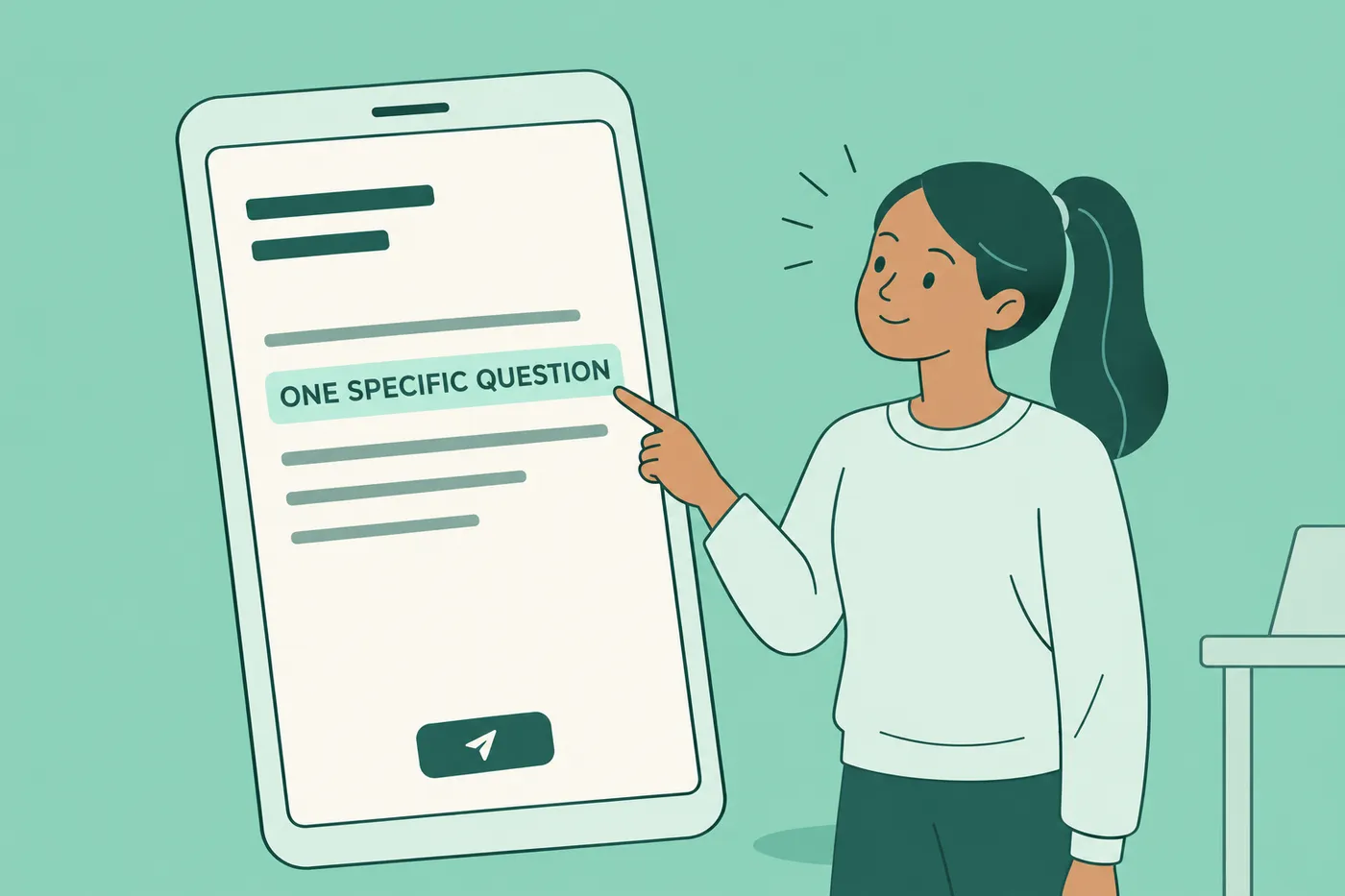
The specific question matters more than people think. "Can you tell me why I wasn't selected?" asks a recruiter to justify a decision, which is uncomfortable and often not allowed. "Was there a particular skill or qualification that would have made me more competitive?" asks for one actionable fact, which is easy to answer in two sentences. Same curiosity, different burden on the reader.
"Hi [Name], Thank you for letting me know, and for the team's time throughout the process. If you're able to share it, I'd value one piece of feedback: was there a particular skill or area of experience that would have made me a stronger candidate? Either way, I appreciate the consideration and wish you all the best. Best, [Your Name]"
"If you're able to share it" and "either way" do the heavy lifting: they tell the recruiter that no answer is also an acceptable answer. If feedback comes, treat it as one data point, not a verdict. One interviewer's view of one afternoon is useful input for your next application, and that is all it is. If no feedback comes, do not follow up a second time. If rejections are piling up with no pattern you can see, work through the areas to check when you're not getting interviews instead of waiting on answers employers rarely give.
What never to write back
A rejection reply has exactly one way to hurt you: by arguing. Everything on this list reads as an attempt to reopen a closed decision, and it is the fastest way to turn "strong runner-up we might call back" into "candidate we flagged."
- Asking the employer to reconsider, or restating your qualifications as if the decision were a draft. The decision is made; a reply cannot unmake it.
- Demanding a reason. "I'd like to understand why" framed as an entitlement puts the recruiter on the defensive. Ask the one specific feedback question above, or ask nothing.
- Comparing yourself with whoever got the job. You will not get the successful candidate's details, and asking for them signals you would argue with the answer.
- Criticizing the process: the slow timeline, the number of rounds, the take-home that took a weekend. Even when the criticism is fair, a rejection reply is the worst possible place for it.
- Sarcasm, guilt or a long emotional message. If you need to vent, vent to a friend. The reply thread is permanent and attached to your name in their applicant tracking system (ATS), the software that stores every candidate interaction.
One edge case worth knowing as of 2026: automated screening is common enough that guidance increasingly addresses it, and per UK guidance cited by the BBC, people subject to certain automated decisions may have a right to request human review. Rules differ by country, so if you believe software rejected you without any human look, check the data-protection rules for your location rather than arguing it in a reply.
This is not the same as declining an offer or an interview
Searchers mix these up, and the emails are opposites. Everything above covers the employer rejecting you. When you are the one saying no, the mechanics change: you reply promptly because someone is waiting on your answer, you state the decision clearly, and a brief reason is optional. Declining an interview invitation looks like: "Thank you for inviting me to interview for [Role]. I'm withdrawing my application and must decline the interview, but I appreciate your time and consideration." Turning down an actual offer deserves more care, because an offer means the company chose you; the full wording is in how to decline a job offer politely.
And if you landed here mid-process rather than post-rejection, the email you probably want is the thank-you note after an interview or a follow-up on an application that has gone quiet. Different moment, different message.
After you hit send: close it out and take one action
A rejection is only processed when it changes something in your search. Two small steps, five minutes total.
First, update your records. Mark the application rejected, note the stage you reached and anything useful from the process: the interviewer who seemed like an ally, the skill the job kept probing, feedback if you got any. Six weeks from now, when a similar role opens at that company, those notes are the difference between a cold application and a warm one. Roleframe's job tracker keeps each application on its own page with the posting's keywords marked against your resume, so the record builds itself as you go; a spreadsheet works too if you keep it honest.
Second, take one forward action while the motivation from reading this page is still warm. Send one new application, and tailor it properly rather than firing off the same PDF: matching your resume to the job description is the single highest-return move in a search. Or send one networking message to someone at a company you want. One action, today. The reply you sent closed the last door politely; this opens the next one.
Frequently asked questions
- Do you reply to a rejection email?
Reply if you interviewed or had meaningful contact with a real person: a short thank-you keeps the relationship open and takes two minutes. Skip it when the rejection is automated, came from a no-reply address, and you never spoke to anyone. In that case nobody will read the reply and nothing is lost by not sending one.
- Should I reply to a job rejection email if I never got an interview?
Usually no. An application-stage rejection is almost always templated, and the sender often is not monitoring replies. The exception is when a named recruiter wrote to you personally; then a two-line thank-you is a reasonable way to stay visible for future openings. Do not ask for feedback at this stage, since employers rarely give it to candidates who did not interview.
- What subject line should I use when responding to a rejection email?
None. Reply in the same thread and keep the existing subject line, which usually reads something like "Your application for [Role]." The thread gives the recruiter instant context. Starting a fresh email with a new subject makes your reply harder to place and easier to ignore.
- How soon should I respond to a job rejection?
Within a day or two. Guidance as of 2026 splits between replying inside 24 to 48 hours and waiting until the disappointment settles, and the practical answer combines both: do not send anything in the first heat of the news, but do not let it sit a week either. A reply the next morning is prompt and gives you time to cut any sentence written in frustration.
- Can replying to a rejection email get the decision reversed?
No, and trying is the one way a reply can hurt you. The hire is decided before the email goes out. What a gracious reply can do is make you the easy callback if the chosen candidate declines, fails a check, or a second position opens. That outcome is real and reasonably common, and it goes to the runner-up who closed politely, never to the one who argued.
- How do I politely decline an interview invitation by email?
Reply promptly so the recruiter can move to other candidates, thank them, and state the decision plainly: "Thank you for inviting me to interview for [Role]. I'm withdrawing my application and must decline the interview, but I appreciate your time and consideration." A brief reason, such as accepting another offer, is optional. This is a different email from responding to a rejection, where the employer made the decision.
- Is it OK to ask why I was rejected?
After an interview or a substantial assessment, yes, once, and framed as a specific question rather than a demand for justification: ask whether a particular skill or qualification would have made you more competitive. Signal that no answer is fine, and do not follow up if none comes. Many employers have policies that limit what they can disclose, so silence usually means policy, not rudeness.
Ready to start your new resume?
Writing a resume takes time, and even a polished one can miss what a hiring manager is looking for. Roleframe helps you build a clear, ATS-safe resume in minutes and tailor it to the job you want.


