HVAC Apprenticeship: Requirements, Hours, and Pay Steps
HVAC apprenticeship requirements, the five-year hour structure, EPA 608 types by equipment, state licensing after top-out, and how apprentice pay steps up.

On this page
An HVAC apprenticeship is a paid job from day one. Under the Department of Labor's registered apprenticeship model, you work full time under a journeyman while the sponsor covers your classroom training, and your wage rises on a published step schedule until you top out with a completion credential recognized nationwide. No tuition debt, and you finish with several years of W-2 income already behind you.
The catch is that "HVAC apprenticeship" covers at least three different trades, and what your credential is worth legally depends on which state you work in. Most guides skip both points. This one starts with them, then walks through the requirements, the sponsors, the hour structure, EPA 608, licensing after top-out, and the application packet that actually gets you ranked.
Three different jobs share one name
Before you fill out a single application, decide which trade you actually want. The sponsor you sign with determines which one you learn, and switching tracks midway usually means starting hours over.
Sheet metal install
This is the SMART side of the trade (International Association of Sheet Metal, Air, Rail and Transportation Workers). You fabricate and hang ductwork on new construction and large retrofits. The work is crew-based and physical, you read drawings all day, and employment follows the construction cycle, which means occasional layoffs between projects. If you like building things at scale, this is the track.
Service and refrigeration
This is the UA side, run by United Association locals with HVACR service programs, and it is the deepest technical track. You troubleshoot live equipment, from rooftop units to building chillers, plus supermarket refrigeration if your local covers it. Expect heavy electrical diagnosis and an on-call rotation once you can run a truck solo. The math requirement is the steepest of the tracks, and so is the earning ceiling.
Residential change-outs
Mostly non-union dealers and local contractors. You replace condensers, furnaces and air handlers in occupied homes, so you are customer-facing from early on. It's the fastest route to running your own calls, and the track where incentive pay on replacement equipment lives. A clean driving record matters most here, because a take-home van usually comes with the job.
HVAC apprenticeship requirements: what actually filters applicants
The paper requirements are modest. What filters applicants in practice is the math test, the driving record and the lift test.
- A high school diploma or GED, with a transcript. Sponsors check that you passed algebra, and many make you sit a math aptitude test regardless. The test is fractions, ratios and basic algebra, the same math you'll later use for superheat and airflow calculations.
- Age 18 or older, because you'll work on live equipment and drive company vehicles.
- A valid driver's license and a clean driving record. This is a hard filter at many shops. Apprentices take a van home once they can run calls, and the fleet insurer decides who is insurable, not the service manager. Two recent at-fault accidents can sink an otherwise strong application.
- A physical capability or lift test. Attic crawls and rooftop ladder work are the job, and so is carrying a compressor up a flight of stairs.
- A drug screen, and often a background check for apprentices who will enter occupied homes or secure commercial sites.
The interview is mostly a reliability check. Show up early, bring the transcript and a driving record printout without being asked, and be ready to explain any gap in your work history in one calm sentence. Coordinators rank applicants, and preparedness is scored whether the rubric says so or not.
Who sponsors HVAC apprenticeship programs
Four kinds of organizations run registered HVAC apprenticeships, and where you apply shapes everything downstream.
- UA HVACR service locals. Joint labor-management training committees (JATCs) focused on service and refrigeration. Intake is competitive and often opens once a year, ranked by test score and interview.
- SMART locals. The sheet metal JATCs, for the install track. Same structure, different trade.
- ABC chapters. Associated Builders and Contractors runs merit-shop programs. You usually need an employer first, and the chapter provides the classroom side.
- PHCC chapters. Plumbing-Heating-Cooling Contractors Association programs, common for residential and light commercial work.
- Manufacturer and dealer programs. Several major equipment makers run nationally supported technician apprenticeships through their dealer networks. A dealer hires you and the manufacturer supplies the curriculum.
To find open programs, check your state apprenticeship agency's listings and the Department of Labor's apprenticeship finder, then call the training office directly. Union locals post intake windows, and missing one can mean waiting a year. Call the training coordinator this week and ask when the next application window opens.
Every registered program runs on written standards the sponsor files with the state or federal apprenticeship agency, covering the work processes you rotate through, the apprentice-to-journeyworker ratio, the wage progression and the completion requirements, per the U.S. Department of Labor Office of Apprenticeship. Ask to see them before you sign. A sponsor who won't show you the standards is telling you something.
How long is an HVAC apprenticeship, and how the hours break down
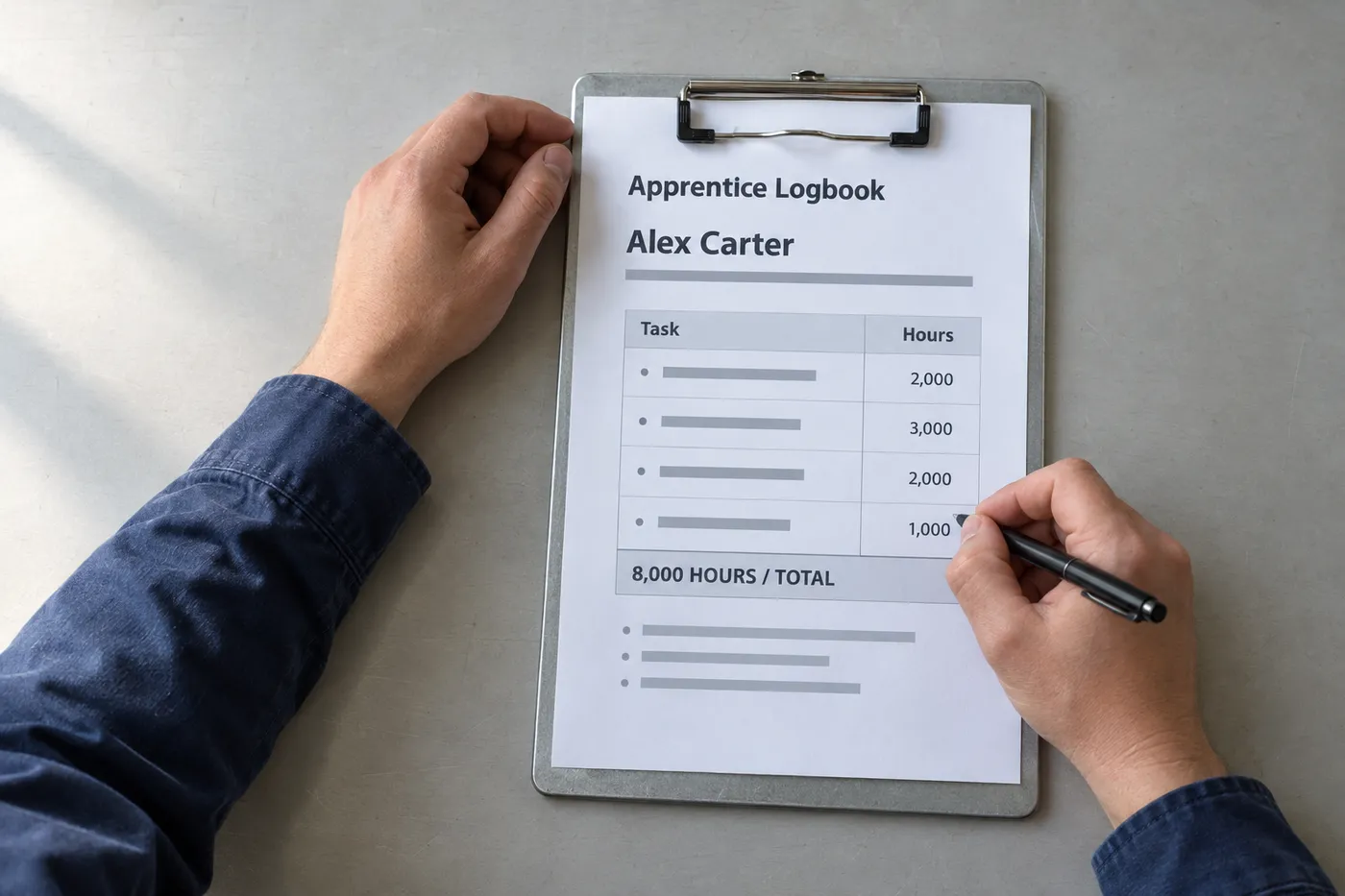
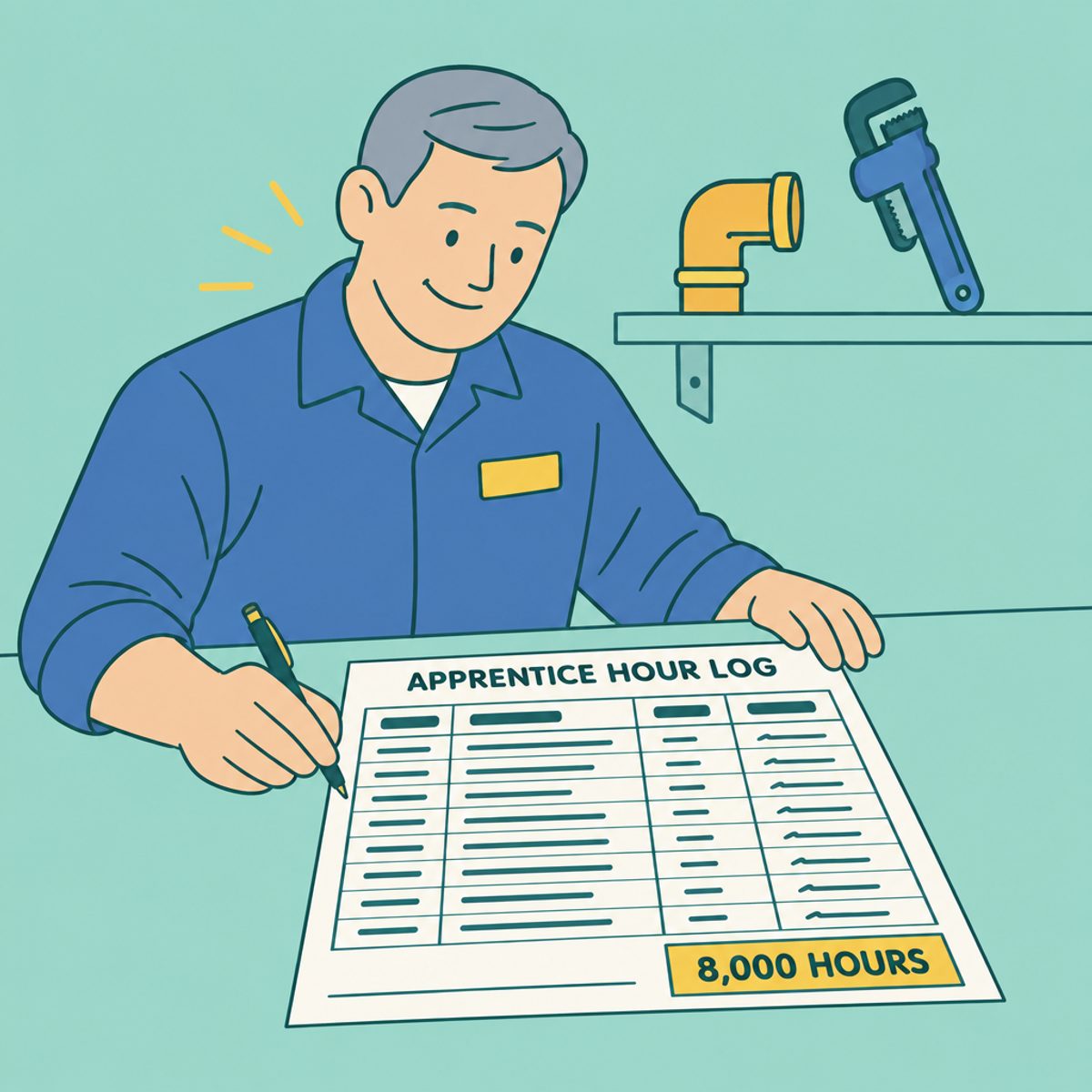
A full-time year on the tools is roughly 2,000 hours, which is why hour-based programs shake out to about a year per level. Union service programs typically run five years. Sheet metal is similar, while residential and dealer tracks often finish sooner. The exact totals live in your sponsor's registered standards, so ask for the number rather than assuming a national rule.
Classroom time comes on top of the field hours. Federal guidance uses at least 144 hours of related technical instruction per year as the baseline, per the U.S. Department of Labor Office of Apprenticeship, and union JATCs commonly schedule more than that.
In practice the classroom side means two evenings a week from roughly September to May. You work a full day, drive to the training center, and sit in class until nine or ten. There are graded tests, and they have teeth. Fail the class and your next wage step is held until you pass it.
Plan the five years like the commitment it is. The people who wash out mostly don't fail the trade. They fail the schedule, usually in year two, when the novelty is gone and the night classes are still there.
EPA 608 certification for apprentices, and where NATE fits
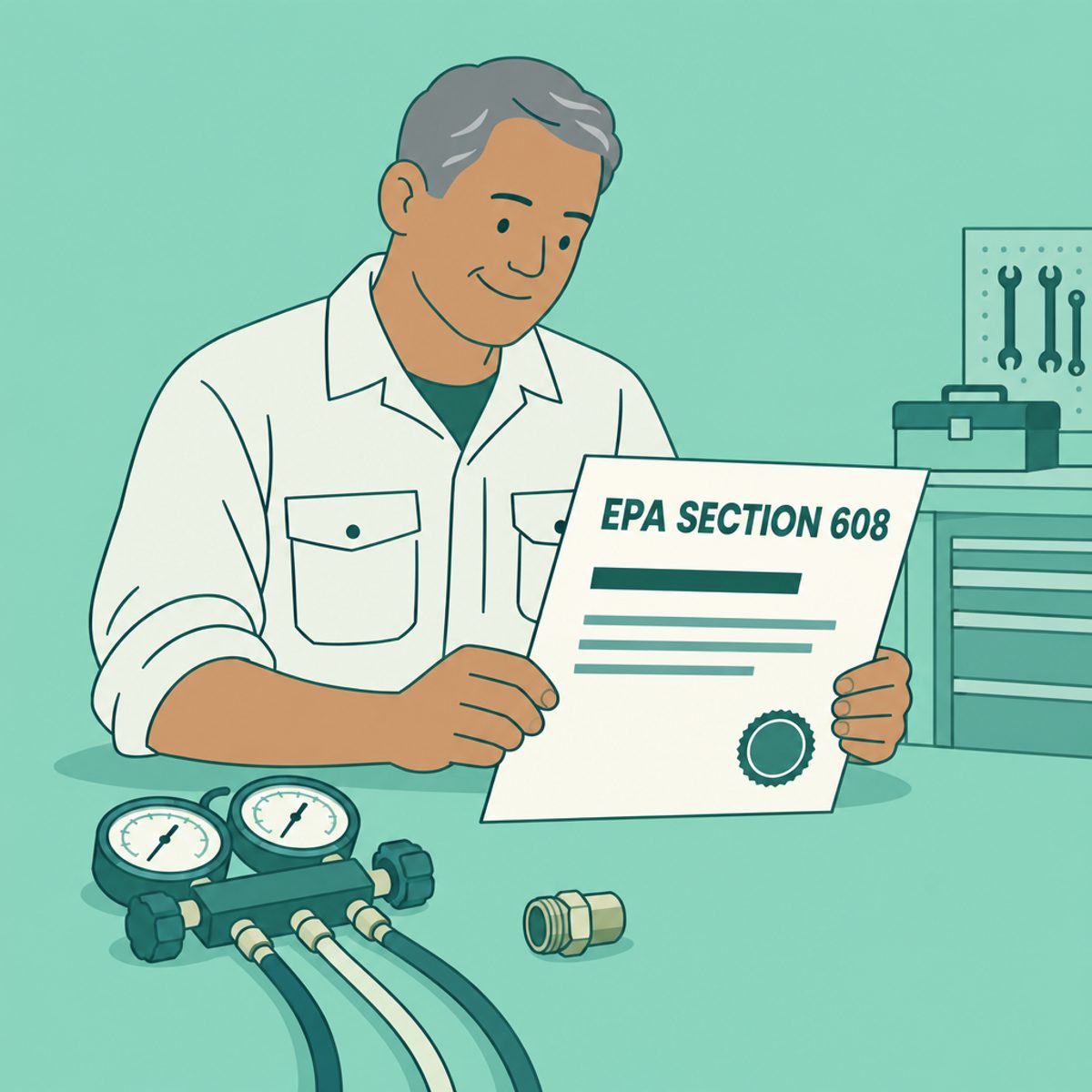
EPA Section 608 certification is the federal credential for handling regulated refrigerants, and the Environmental Protection Agency treats it as a prerequisite for that work. You take the exam through an EPA-approved certifying organization and its proctors rather than from the EPA directly. Two facts most guides bury in a footnote deserve the headline. You cannot legally buy most refrigerants without certification, and once you pass, 608 never expires.
The certification comes in types, and each type maps to specific equipment.
| 608 certification | Equipment it covers | Where you'll use it |
|---|---|---|
| Type I | Small, factory-sealed appliances, such as window units, domestic refrigerators, PTAC units and vending machines | Appliance repair, hotel and property maintenance |
| Type II | High-pressure systems, including residential split systems, heat pumps, rooftop package units and most supermarket refrigeration | The bulk of residential and light-commercial service work |
| Type III | Low-pressure systems, chiefly large building chillers | Commercial service shops and chiller crews |
| Universal | Everything in the three types above | What most service employers actually want to see |
Get Universal in your first year. Every candidate sits a Core exam plus the type exams, most certifying organizations offer all of it in one sitting, and Type I alone confines you to appliance work. Keep a record of which organization certified you. The wallet card never expires, but a replacement comes from the certifying organization, and fifteen years from now you will not remember which one it was.
One current wrinkle worth asking about. Newer residential equipment increasingly ships with A2L refrigerants, which are mildly flammable and handled under different procedures, and training centers are adding A2L handling to their curriculum. Ask any program you're considering how it covers them.
NATE, short for North American Technician Excellence, is a different animal. It is voluntary, run by an industry body rather than the government, and it expires, so it must be renewed. No law requires it. Employers treat it as a quality signal and some dealers pay a premium for it, but your order of operations as an apprentice is 608 first, NATE later when an employer will pay for the exam.
Licensing after you top out: three state models
Here is the part almost every apprenticeship guide skips. Your completion certificate is recognized nationally, but what it lets you do legally depends on which of three licensing models your state uses. The differences are big enough to change where you'd want to work.
Some states license the individual journeyman. Some license only the contracting company. A third group has no state HVAC license at all and leaves the whole question to cities and counties.
| Licensing model | Example states | What it means when you top out |
|---|---|---|
| State licenses the journeyman | Virginia, Maryland, Kentucky, Oklahoma, Delaware, Iowa, New Mexico, West Virginia | You sit a state journeyman exam, and your registered apprenticeship hours count toward eligibility. The license is yours personally. It travels anywhere in the state and survives a change of employer. |
| State licenses only the contractor | California, Florida, Georgia, Arizona, Nevada, North Carolina, Tennessee, Ohio, Utah | No individual technician license exists. The company holds the license, and your personal credentials are the completion certificate and your 608 card. You only face the state board if you open your own shop. |
| State defers to cities and counties | Illinois (Chicago), New York (New York City), Colorado (Denver), Missouri (Kansas City and St. Louis), Pennsylvania (Philadelphia) | The municipality where the work happens sets the exam and issues the card. Crossing a city or county line can mean a second license, and reciprocity between cities is inconsistent. |
A few states blur the lines. Texas registers technicians with the state while licensing contractors separately, and Massachusetts runs a dedicated refrigeration technician license. Boards also get restructured and thresholds move, so before you count on any row above, confirm the current rule with the state licensing board or your training coordinator. What holds everywhere is the registered completion certificate itself, which carries weight even in states that issue no license at all.
One practical consequence. If you plan to relocate, top out first. Journeyman-license states generally credit completed registered apprenticeship hours from elsewhere, while unfinished hours transfer less cleanly and can cost you a wage step.
HVAC apprentice pay: how the steps work and what rides on top
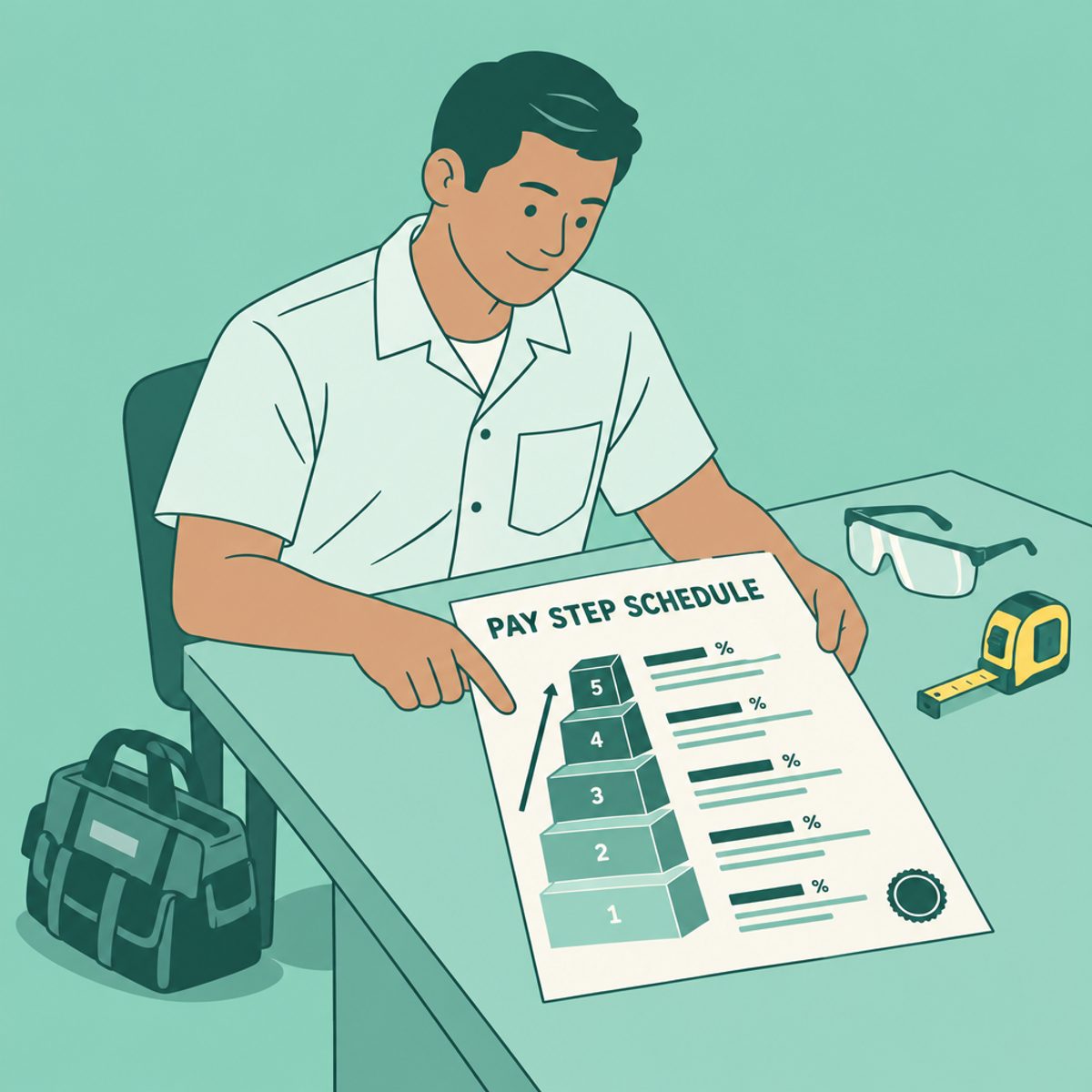
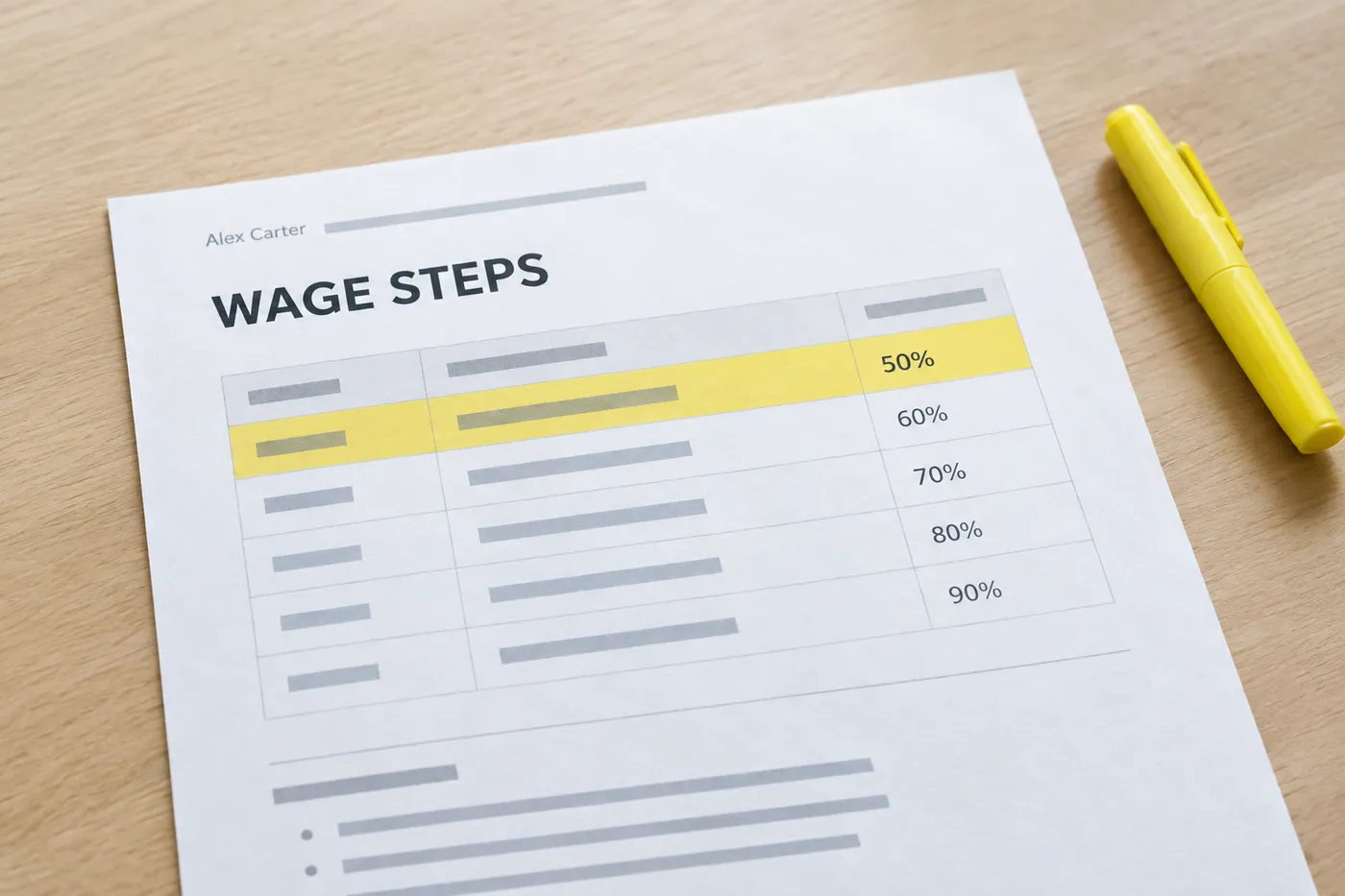
Apprentice pay is a percentage of the journeyman rate, and the percentage climbs on a schedule written into the program's registered standards, a requirement the U.S. Department of Labor Office of Apprenticeship places on every sponsor. The raises are automatic. Complete the hours and pass the classes, and the step arrives without a negotiation, which is a different experience from asking for a raise in most jobs.
Steps usually land at hour milestones or at the start of each program year. The single biggest jump comes at the end, when the final apprentice step gives way to full journeyman scale. That jump is why quitting in year four is the most expensive mistake in the trade.
Compare the whole package, never just the check. A union service local's total rate includes employer-paid health coverage per hour worked, and on top of that come pension and annuity contributions that never appear on your stub. Two offers with the same hourly figure can be far apart once you price what the employer pays into your retirement. Non-union shops compete differently, with take-home vans and tool allowances, and often incentive pay on replacement sales. A take-home van quietly erases a real chunk of your commuting cost.
Before you sign anywhere, ask for the wage progression schedule in writing. Registered programs are required to have one, and a sponsor who hesitates to hand it over has answered a different question.
Already have field time? Get it credited
Registered programs can grant advanced standing for documented prior experience, which means entering at a higher wage step and finishing sooner. Install crew time, appliance repair, handyman work with genuine HVAC scope and military HVACR ratings can all count. The sponsor's committee decides, and the deciding factor is documentation.
Bring W-2s or pay stubs that establish the dates, plus a short letter from each supervisor describing what you actually did. Veterans should bring the DD-214 and any technical school records. Vague claims get zero credit. A letter that reads "ran duct and brazed linesets under my supervision, March 2022 to June 2023" gets hours.
On the resume, a run of short employers reads as job-hopping unless you group it. Fold three eight-month installer stints into one block titled by the work rather than the company, for example "Residential HVAC Installer, various contractors, Phoenix metro, 2021 to 2024," with the employer names inside the bullets. The committee cares about your total field time, and this format shows it in one line instead of making a reader add up fragments. It's the same repair that fixes any choppy work history, and it's one of the fixes in our guide to common resume mistakes.
Your application packet: the resume and the references that get called
The packet has two jobs. It has to prove on paper that you're trainable, and it has to give the coordinator someone real to call. Treat it like the first test of the program, because it is one.
Keep the resume to one page. If you already hold a 608 card, put the certifications block above your work history, because it's the first thing a coordinator or service manager scans for. Each certification line needs the credential name, the type, the certifying organization and the date, written exactly as they appear on the card. "EPA Section 608, Universal" with the certifying organization and year beats a bare "EPA certified" every time. For other situations, our guide on where to put certifications on a resume covers the placement logic.
If you build the resume in Roleframe's free editor, the built-in analysis flags a certification entry that's missing its issuing body or date, which is exactly the omission that makes a reader assume the card doesn't exist. Download it as a PDF. The export matches the editor exactly, and PDF is what application portals parse cleanly.
Skip the line "references available upon request," and here is why that line wastes space. List real people with phone numbers you've confirmed this month. A service manager calling a reference asks two questions. Did this person show up every day, and would you hire them back? The strongest references answer both:
- The last supervisor who watched you work with your hands, even on a non-HVAC job.
- A teacher or instructor who can vouch for attendance and follow-through.
- Anyone who has trusted you with keys, a vehicle or access to a customer's home.
Round out the packet with your transcript, a current driving record printout, copies of any wallet cards, and the DD-214 if you served. Submit everything as PDF so the formatting survives whoever opens it.
Frequently asked questions
- Is an HVAC apprenticeship worth it?
For most people who want the trade, yes, and the structure is the reason. You're paid from day one and the sponsor covers the classroom training. You finish with a nationally recognized credential instead of tuition debt. The honest trade-off is the schedule, several years of full-time work plus night classes, so weigh that against a trade school route where you pay tuition first and still start at the bottom of a shop afterward.
- How long is an HVAC apprenticeship?
Union service and refrigeration programs typically run five years. Sheet metal is similar in length, while residential and dealer tracks often finish sooner. The controlling document is the sponsor's registered standards, which set the required on-the-job and classroom hours. Documented prior field time can shorten the run through advanced standing, so bring proof of every hour you've already worked.
- Can HVAC techs make $100,000 a year?
Some do, though not as starting apprentices and rarely on straight time alone. The realistic paths are journeyman scale with heavy overtime in a high-wage metro, or a move into foreman and service-manager roles. Residential service techs with strong incentive pay on replacement sales also get there. The apprenticeship matters for all of these because the jump to journeyman scale is the largest single raise on the way.
- Do I need my EPA 608 certification before applying to an apprenticeship?
No program requires it at application, but arriving with Core and Type I, or better yet Universal, moves you up the ranking. It proves initiative and lets your employer legally put you on refrigerant work from the start. You cannot handle regulated refrigerants without the appropriate certification, and you can't buy most refrigerants over the counter either. Since 608 never expires, taking it early costs you nothing later.
- How do I become an HVAC tech in Oregon?
Through a registered apprenticeship listed with Oregon's Bureau of Labor and Industries (BOLI), which maintains the list of active HVAC-related programs and their intake dates, including the Portland-area training centers. Apply during an open window and get your EPA 608 early. If you eventually want to contract for yourself, that licensing runs through Oregon's Construction Contractors Board. Requirements change, so verify current rules with BOLI before planning around them.
- Am I too old to start an HVAC apprenticeship at 30 or 40?
No, and training coordinators will tell you the same. Programs set a minimum age and no maximum, and applicants with a real work history often rank higher at intake than eighteen-year-olds, because reliability is what sponsors are actually screening for. Prior field time may also earn advanced standing and a higher starting wage step. The honest cost is the night-class schedule with a family at home, so plan that part before you apply.
- Should I choose a union or a non-union HVAC apprenticeship?
Choose by track and total package rather than by label. Union JATCs dominate the service and sheet metal tracks and pay pension and health contributions on top of the check. Non-union ABC, PHCC and dealer programs dominate residential, hire faster, and often put you in a van sooner. If a local's intake window is months away and a dealer will hire you Monday, starting your hours now and documenting them for later credit is a defensible move.

Ready to start your new resume?
Writing a resume takes time, and even a polished one can miss what a hiring manager is looking for. Roleframe helps you build a clear, ATS-safe resume in minutes and tailor it to the job you want.


